
年份
为你选出 1580 部战争片在线观看
影片列表
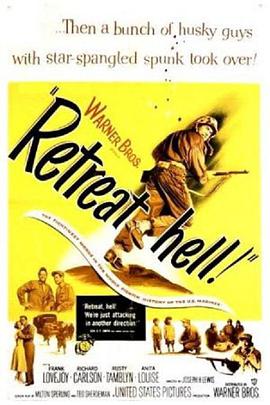 [!--pingfen--]DVD弗兰克·洛夫乔伊,理查德·加尔森,安妮塔·露易丝【剧情简介】1950年11月,美军冲过三八线追击溃败北朝鲜军队的美军海军陆战队第一师和第七步兵师,在中朝边境进攻清津水库地区时,遭到中国人民志愿军优势兵力的猛烈反击,陷入中朝军队的重围之中。美军总部下令全面撤退。美军海军陆战队史密斯将军却公然违抗总部命令,下令部下反击中朝部队。海军陆战队斯提夫上尉率领一个营担任掩护任务,经过浴血激战,终于和主力部队一起冲出对方的包围圈。 影评界认为这部影片是正面描写朝鲜战争双方的少有影片之一。它一方面以正面手法再现了中国人民志愿军入朝初期排山倒海的反击规模,同时也歌颂了美军海军陆战队顽强作战的斗志。影片中一个美军下士,刚满17岁,但是在一次夜战中身负三处枪伤的情况下坚守阵地,保证了主峰的安全。该片的另外一个独特之处是大量使用战场实地拍摄的记录片片段。当炮弹在镜头里爆炸时,摄影机剧烈抖动,使观众有如临其境之感。…
 [!--pingfen--]HD霍青,柴浩,沙景昌,张兆北,王钢1932年,红军挥师南下去创建川陕革命根据地,给红军当向导的付家林,曾遭受当地恶霸和土匪的欺压,被逼逃离家乡投奔了红军,陕西镇巴县天池寺一带的百姓翻身得解放后,拥护红军,使红军队伍迅速壮大………
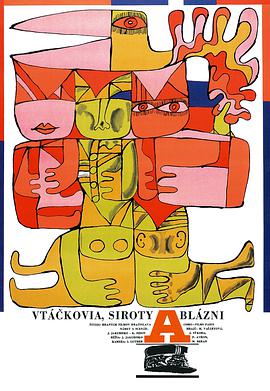 [!--pingfen--]DVD菲利普·阿夫龙,Jirí Sýkora,玛格达·瓦沙里奥娃导演其实在开篇的旁白里就已经说出了故事的结局,电影是一出悲剧。但却是以喜剧的形式讲述的。 三名孤儿,安德列、尤里克与玛尔塔。其实都是成年人,但他们的行为却如孩子般天真。三人住在一所战争中被炸毁的教堂里。有趣的是,这所教堂竟然还有个房东,他也是个孤儿。胖胖的,可爱的老头, 贪吃、爱玩,喜欢弹钢琴。安德列与尤里克本是好友,但自从犹太女孩玛尔塔到来之后,他们的关系变得异常微妙。尤里克无缘由地被抓进监狱。一年出狱后,发现已经是物是人非。他们的将来会何去何从呢? 片中的鸟儿,是指人死后灵魂的象征物;愚人,也可以说是“傻瓜”,是指那些在战争中失去理智的疯子或者被别人称为是有理性的那些人。 剧中经常出现不合常理、超现实的人物、场景。…
 [!--pingfen--]HDTim Thomerson,Timothy Van Patten,Art LaFleur第二次世界大战的意大利战场上,一支美军巡逻队在森林中发现了一架失事的太空船,并且他们还遇到了外星人。在附近的纳粹德军也发现了外星人的踪迹,同时也派出了巡逻队想抢在美军之前捕获外星人··· 最经典的镜头是其中一个美国兵问其中一个外星人:你们星球上有没有金发美女?结果外星人指着另外一个毛茸茸的外星人回答:她就是! 还有一幕: 那群美军被俘获时注射了麻药,一个美军在迷迷忽忽是打了一个穿军大衣的矮子,结果那个矮子是来看外星人的希特勒!! 哈哈,80后成长与90年代译制片时期的童鞋应该都有印象的…
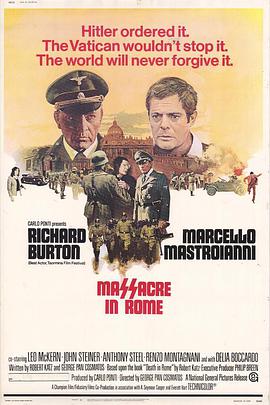 [!--pingfen--]DVD理查德·伯顿,马塞洛·马斯楚安尼,莱奥·麦凯恩二战期间的罗马,一对德国士兵在罗马街道上遭遇炸弹袭击,伤亡惨重。德军报复性地按一比十的死亡比例,屠杀了数百平民。Mastroianni饰演皮埃罗神父,在无法阻拦屠杀实施的情形下,甘愿顶替做了牺牲者。…
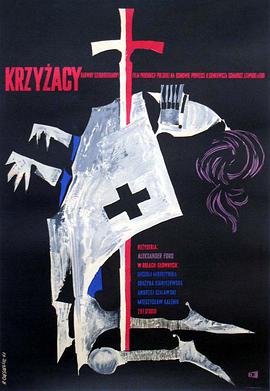 [!--pingfen--]DVD乌尔舒拉·莫杰任斯卡,Grazyna Staniszewska,安德烈·沙拉夫斯基,Henryk Borowski,Aleksander Fogiel影片表现西欧封建主为了掠夺和侵略土地而发动十字军远征,企图打着宗教的旗帜残害波兰人民和波兰骑士。该片场面宏伟,出演演员甚多,动用了大量的人力和财力。导演的手法大刀阔斧,表现了很高的艺术性。影片主要反映十字军在波兰惨绝人寰的种种暴行。影片主题鲜明,富有爱国主义精神,是战后波兰观众人数最多的一部影片。…
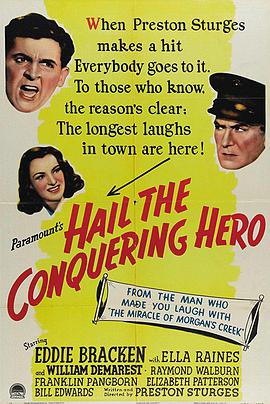 [!--pingfen--]HD埃迪·布莱肯,埃拉·雷恩斯,雷蒙德·沃伯恩,威廉·德马雷斯特,富兰克林·潘伯恩,伊丽莎白·帕特森,乔治娅·凯恩Having been discharged from the Marines for a hayfever condition before ever seeing action, Woodrow Lafayette Pershing Truesmith (Eddie Bracken) delays the return to his hometown, feeling that he is a failure. While in a moment of melancholy, he meets up with a group of Marines who befriend him and encourage him to return home to his mother by fabricating a story that he was wounded in battle with honorable discharge. They make him wear a uniform complete with medals and is pushed by his new friends into accepting a Hero's welcome when he gets home where he is to be immortalized by a statue that he doesn't want, has songs written about his heroic battle stories, and ends up unwillingly running for mayor. Despite his best efforts to explain the truth, no one will listen.…
 [!--pingfen--]HD中村吉右卫门 / 岛田正吾 / 梓英子 / 藤卷润 / 本乡功次郎 / 森雅之20世纪30年代,日本全民备战,社会从上到下充满了亢奋情绪。农村少年平田一郎(中村吉右卫门 饰)和好友本多(岛田正吾 饰)怀着一腔热情,报考了军校,结果平田考就江田岛海军学校,本多则进入陆军军校,两个好友就此分开。平田刚进入军校后还有些动摇,但经过四年学习和训练,成功成长为一名拥有“江田岛精神”的帝国海军精英。随着太平洋战争爆发,平田被派往前线,却经历了日军各种不利,也目睹老友本多战死。带着遗憾和愧疚回国养伤之后,平田回到母校担任教官,虽然战事低迷影响国人精神,但平田还是努力想把“江田岛精神”传递下去。随着战局恶化,老兵被召唤回冲绳战场,平田在学员整齐歌声送别之下,直赴最后为国捐躯的机会………
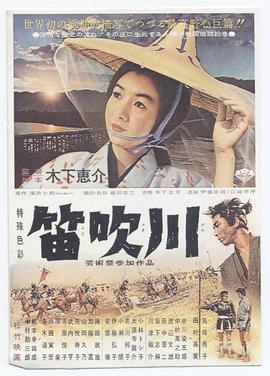 [!--pingfen--]HD高峰秀子,田村高广,松本幸四郎,岩下志麻,川津祐介,田中晋二,中村吉右卫门,渡边文雄,加藤嘉,井川邦子,安部彻,小林俊子,织田政雄,荒木道子,山冈久乃,市原悦子,武内亨,平田昭彦,原泉,山崎满,高木信夫,中村勘三郎◎简 介 剧情: Simple, poetic legend, developing through the life and fate of a poor farming family during the period of five generations. Set in the 16th century. Based on the novel by Shichiro Fukazawa. 幕后: 1960年,木下惠介导演了根据深泽七郎原作改编的《笛吹川》。 《笛吹川》是世界上第一部、恐怕也是最后一部使用奇怪摄影技术的影片。影片用黑白胶片拍摄完毕之后,仅对那些强调作品主题思想的镜头施彩着色。因此,它既不是彩色片,也不算黑白片。如果硬要把它归类的话,也许可以说它是部水彩影片,或者可以称作南画派电影。整个影片就象文人画一样,只有部分画面着有色彩……这种制片手法耗资甚巨,使松竹公司的资方颇为吃惊。嗣后,世界上任何影片都未使用此种手法。 这部影片在摄制过程中还使用了当时尚处于实验阶段的叠影镜头,有时在摄影机上套装一个乳白色的镜头,用以拍摄特写。这一点,当时的观众可能没有注意到。但它确实生动地体现了天才木下惠介的意图。 虽然《二十四只眼睛》、《女园》以及《欢乐悲伤几岁月》等影片也获得了社会上的好评,但它们都不是反映导演内心世界的作品。而只有《笛吹川》(原作者深泽七郎)才是一部彻底反映了木下惠介内心世界的影片;甚至可以说,这部影片就是木下惠介“人生观”的体现。…
 [!--pingfen--]HD格雷厄姆·福克纳,朱迪·鲍克尔,瓦伦蒂娜·格特斯,亚历克·吉尼斯战场上下来的佛南却斯克,一天早上他突然听到窗边有一只小鸟在叫,于是醒来并追逐小鸟至屋顶,他像小鸟一样兴奋地张开双手,好象要飞到天空中。就从那一天开始他的生活发生了变化,并且他认识了一个清纯善良的姑娘克蕾亚。这位姑娘不顾家人的劝告,只身来到市镇,着手重建已成废墟的圣塔米阿罗教会。这时,有许多亲友来投靠佛南却斯克。当市镇里的教会看到这一幕时,竟禁止镇上的百姓给他们施舍。这时只有克蕾亚送面包……[…
 [!--pingfen--]HD安德拉斯·科扎克,谢尔盖·尼科年科,贝洛·鲍尔希,László Csurka,Zoltán Gera,Árpád Gyenge,亚诺什·格尔拜二战末期,一个17岁的小男孩在乡间游荡,他先被苏维埃军队捉获,然后释放,之后又因为穿上一件御寒的德国军装而再次被苏联部队逮捕,被监禁在一个偏僻的兵营,在那里他跟一名年轻的苏联士兵建立起一段不可能的友谊关系。影片展示出导演一贯的主题:心理因素、随意的暴力和独裁政权。…
 [!--pingfen--]HD安圣基,沈惠珍,金世俊,李璟荣,许峻豪,金宝城一个鲜为人知原籍越南韩国老兵的故事,娓娓道来越战的悲痛故事。《White Badge》在1992年公映时,羸取不少大奖,至今乃是韩国越战片的经典之一。 安圣基饰演的HAN是位作家,是南韩退役军人,曾参加越战,患有战争综合症, 罪恶和侵略的思想包袱使他的生活变得荒芜,并妨碍他的婚姻和事业。 越战后,韩基朱出版了一本有关越战时期的月刊式记载故事。画面尽是描述他与其它曾参越战的韩国军人,越战期间亦导致韩妻离子散。事隔多年,某日韩接到一个电话,该电话便是十年前因越战而失散的战友朴真树。这突如其来的电话令到韩仿佛到越战的恐怖情景,其实曾参与越战的战友都无法平静的生活下去,朴的来电是想战友韩为他了决生命,总史越战已过,但对韩来说真正的战争才刚开始………
 [!--pingfen--]DVDValentina TeleginaThey do not show war in this film, they show people and their dreams and hopes ruined by the war. It is not just another "war film", but it rises to the level of a true Tragedy. Not a propagandist or a sob story. Many critics compare this film to another famous Russian war drama, The Cranes Are Flying. I still think that The House I Live in is better, though, if you've seen The Cranes and liked it, most probably you'll love this one either. Both films were shot in 1957 and treat the war theme from the similar humane perspective. I wouldn't cut a single shot from the film, all of them are just in place. I do not know if it can be found outside Russia, if yes, don't miss it. Many critics pointed out resemblances between Dom, V Kotorom Ya Zhivu (The House I Live In) and the better-known Soviet film The Cranes are Flying. Set in the years prior to and during WWII, the story centers on the various residents of a co-op house. Though the directors never show the war itself, its tragic impact is felt throughout the film. And despite the potential for Soviet propaganda, what sticks in the mind is the universality of the experiences endured by the leading characters. Dom, V Kotorom Ya Zhivu was one of Russian's entries in the 1958 Brussels Film Festival.…
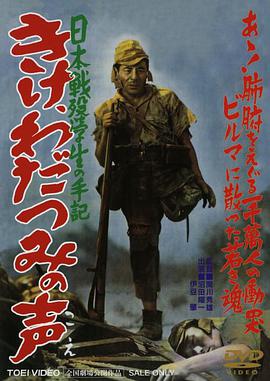 [!--pingfen--]HD伊豆肇,沼田曜一血染泥泞的缅甸战线,年少的学生兵的灵魂,跨越山丘,穿越森林,渡过大海,归还祖国!为祈求和平所放映的战争电影… 此作品在1949年,由东大出版部编辑出版,描写崇高人道主对的激情强作,感动全日本的战殁学生手记"听吧!海神之声".参加缅甸作战,踏上缅甸战线的泥泞,饥饿与疲惫交加的折磨,不断战败逃走的学生兵浴血惨叫之痛. 二次大战后首次的战争电影.引用法国诗人约翰之词"在死去的人们尚未归来之前残存活下来的人们,该明白些什么?"揭开了电影的序幕,于1950年六月,在朝鲜战争一触即发之际上映.受到了广大回响的反战电影珠玉之作.演员以逼真的演技共同演出,使得看到最后一幕的人们心中感到战争的悲惨以及强烈诉求和平欲望之感动大作!…
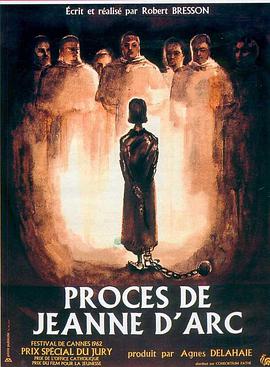 [!--pingfen--]HD弗洛朗丝·德莱,Jean-Claude Fourneau,Roger Honorat羅伯特.布列松的結構主義代表作,Ms.Florence (《夜行列車》)主演,榮獲嘎納電影節評委會大獎、人道精神獎。本片是影史上第4部根據聖女貞德傳奇改編的影片,是布列松繼《越獄者》、《扒手》后,在結構主義及簡約風格的特色上最圓熟的作品,聖女貞德的含冤莫辨,透過導演豐富的電影語言說得十分清楚,布列松一向重視電影的聲音、影響、語言及結構的作用,本片可以説是體現他這個電影意念的重要作品,他說:“儅我製作《聖女貞德的審判》時,我要求我所挑選的女孩一刻也不要想她曾進或可以是貞德,僅此而已。”…
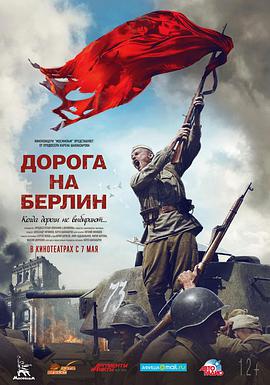 [!--pingfen--]HDAmir Abdykalov,尤里·鲍里索夫,Maksim Demchenko,Andrey Deryugin,Mariya Karpova,Artem Lebedev,Aleksandr Novik伟大卫国战争时期。刚从军校毕业的谢尔盖·奥加尔科夫来到前线,他的第一个任务是向炮兵师传达撤退指示。但由于缺乏经验,奥加尔科夫中途迷路,外加炮兵师已被包围,命令没有被传达,炮兵师被歼灭。奥加尔科夫被军事法庭判处死刑,上级指示他的同龄人、哈萨克族列兵朱拉巴耶夫负责押送,然而突然杀来的德国人却改变了事情发展的方向………
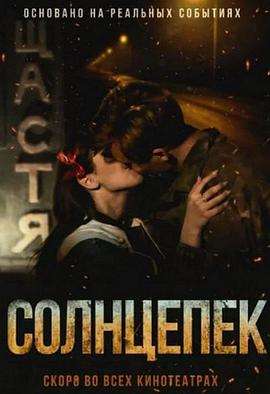 [!--pingfen--]HDVladimir Ilin,Marina Denisova,Svetlana Terentyeva,Nikita Terentev,Anna Soroko,Nadezhda Shumilova,Ilya Vlasov,Nataliya Mats,Anastasiya Baklanova,Lyudmila Yurova,Ruslan Alekseev,Milana Konvensarova卢甘斯克地区,2014 年 5 月。Novozhilov 一家偶然发现自己身处卢甘斯克的各种事件之中。弗拉德·诺沃日洛夫(Vlad Novozhilov)曾是阿富汗战争的参与者。他知道什么是战争,在他那个时代已经看到了足够多的战争恐怖,原则上他甚至不想碰武器。在某种情况下,他只看到一条出路——离开这个国家。但是你不能逃避战争,边界已经关闭。为了拯救他的家人,他将不得不做出艰难的道德选择…
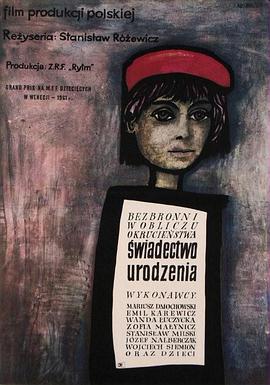 [!--pingfen--]HDAndrzej Banaszewski,Beata Barszczewska,马里乌什·德莫霍夫斯基In 1961, Stanislaw Rozewicz created the novella film "Birth Certificate" in cooperation with his brother, Taduesz Rozewicz as screenwriter. Such brother tandems are rare in the history of film but aside from family ties, Stanislaw (born in 1924) and Taduesz (born in 1921) were mutually bound by their love for the cinema. They were born and grew up in Radomsk, a small town which had "its madmen and its saints" and most importanly, the "Kinema" cinema, as Stanislaw recalls: for him cinema is "heaven, the whole world, enchantment". Tadeusz says he considers cinema both a charming market stall and a mysterious temple. "All this savage land has always attracted and fascinated me," he says. "I am devoured by cinema and I devour cinema; I'm a cinema eater." But Taduesz Rozewicz, an eminent writer, admits this unique form of cooperation was a problem to him: "It is the presence of the other person not only in the process of writing, but at its very core, which is inserperable for me from absolute solitude." Some scenes the brothers wrote together; others were created by the writer himself, following discussions with the director. But from the perspective of time, it is "Birth Certificate", rather than "Echo" or "The Wicked Gate", that Taduesz describes as his most intimate film. This is understandable. The tradgey from September 1939 in Poland was for the Rozewicz brothers their personal "birth certificate". When working on the film, the director said "This time it is all about shaking off, getting rid of the psychological burden which the war was for all of us. ... Cooperation with my brother was in this case easier, as we share many war memories. We wanted to show to adult viewers a picture of war as seen by a child. ... In reality, it is the adults who created the real world of massacres. Children beheld the horrors coming back to life, exhumed from underneath the ground, overwhelming the earth." The principle of composition of "Birth Certificate" is not obvious. When watching a novella film, we tend to think in terms of traditional theatre. We expect that a miniature story will finish with a sharp point; the three film novellas in Rozewicz's work lack this feature. We do not know what will be happen to the boy making his alone through the forest towards the end of "On the Road". We do not know whether in "Letter from the Camp", the help offered by the small heroes to a Soviet prisoner will rescue him from the unknown fate of his compatriots. The fate of the Jewish girl from "Drop of Blood" is also unclear. Will she keep her new impersonation as "Marysia Malinowska"? Or will the Nazis make her into a representative of the "Nordic race"? Those questions were asked by the director for a reason. He preceived war as chaos and perdition, and not as linear history that could be reflected in a plot. Although "Birth Certificate" is saturated with moral content, it does not aim to be a morality play. But with the immense pressure of reality, no varient of fate should be excluded. This approached can be compared wth Krzysztof Kieslowski's "Blind Chance" 25 years later, which pictured dramatic choices of a different era. The film novella "On the Road" has a very sparing plot, but it drew special attention of the reviewers. The ominating overtone of the war films created by the Polish Film School at that time should be kept in mind. Mainly owing to Wajda, those films dealt with romantic heritage. They were permeated with pathos, bitterness, and irony. Rozewicz is an extraordinary artist. When narrating a story about a boy lost in a war zone, carrying some documents from the regiment office as if they were a treasure, the narrator in "On the Road" discovers rough prose where one should find poetry. And suddenly, the irrational touches this rather tame world. The boy, who until that moment resembled a Polish version of the Good Soldier Schweik, sets off, like Don Quixote, for his first and last battle. A critic described it as "an absurd gesture and someone else could surely use it to criticise the Polish style of dying. ... But the Rozewicz brothers do no accuse: they only compose an elegy for the picturesque peasant-soldier, probably the most important veteran of the Polish war of 1939-1945." "Birth Certificate" is not a lofty statement about national imponderabilia. The film reveals a plebeian perspective which Aleksander Jackieqicz once contrasted with those "lyrical lamentations" inherent in the Kordian tradition. However, a historical overview of Rozewicz's work shows that the distinctive style does not signify a fundamental difference in illustrating the Polish September. Just as the memorable scene from Wajda's "Lotna" was in fact an expression of desperation and distress, the same emotions permeate the final scene of "Birth Certificate". These are not ideological concepts, though once described as such and fervently debated, but rather psychological creations. In this specific case, observes Witold Zalewski, it is not about manifesting knightly pride, but about a gesture of a simple man who does not agree to be enslaved. The novella "Drop of Blood" is, with Aleksander Ford's "Border Street", one of the first narrations of the fate of the Polish Jews during the Nazi occupation. The story about a girl literally looking for her place on earth has a dramatic dimension. Especially in the age of today's journalistic disputes, often manipulative, lacking in empathy and imbued with bad will, Rozewicz's story from the past shocks with its authenticity. The small herione of the story is the only one who survives a German raid on her family home. Physical survial does not, however, mean a return to normality. Her frightened departure from the rubbish dump that was her hideout lead her to a ruined apartment. Her walk around it is painful because still fresh signs of life are mixed with evidence of annihilation. Help is needed, but Mirka does not know anyone in the outside world. Her subsequent attempts express the state of the fugitive's spirits - from hope and faith, moving to doubt, a sense of oppression, and thickening fear, and finally to despair. At the same time, the Jewish girl's search for refuge resembles the state of Polish society. The appearance of Mirka results in confusion, and later, trouble. This was already signalled by Rozewicz in an exceptional scene from "Letter from the Camp" in which the boy's neighbour, seeing a fugitive Russian soldier, retreats immediately, admitting that "Now, people worry only about themselves." Such embarassing excuses mask fear. During the occupation, no one feels safe. Neither social status not the aegis of a charity organisation protects against repression. We see the potential guardians of Mirka passing her back and forth among themselves. These are friendly hands but they cannot offer strong support. The story takes place on that thin line between solidarity and heroism. Solidarity arises spontaneously, but only some are capable of heroism. Help for the girl does not always result from compassion; sometimes it is based on past relations and personal ties (a neighbour of the doctor takes in the fugitive for a few days because of past friendship). Rozewicz portrays all of this in a subtle way; even the smallest gesture has significance. Take, for example, the conversation with a stranger on the train: short, as if jotted down on the margin, but so full of tension. And earlier, a peculiar examination of Polishness: the "Holy Father" prayer forced on Mirka by the village boys to check that she is not a Jew. Would not rising to the challenge mean a death sentance? Viewed after many years, "Birth Certificate" discloses yet another quality that is not present in the works of the Polish School, but is prominent in later B-class war films. This is the picture of everyday life during the war and occupation outlined in the three novellas. It harmonises with the logic of speaking about "life after life". Small heroes of Rozewicz suddenly enter the reality of war, with no experience or scale with which to compare it. For them, the present is a natural extension of and at the same time a complete negation of the past. Consider the sleey small-town marketplace, through which armoured columns will shortly pass. Or meet the German motorcyclists, who look like aliens from outer space - a picture taken from an autopsy because this is how Stanislaw and Taduesz perceived the first Germans they ever met. Note the blurred silhouettes of people against a white wall who are being shot - at first they are shocking, but soon they will probably become a part of the grim landscape. In the city centre stands a prisoner camp on a sodden bog ("People perish likes flies; the bodies are transported during the night"); in the street the childern are running after a coal wagon to collect some precious pieces of fuel. There's a bustle around some food (a boy reproaches his younger brother's actions by singing: "The warrant officer's son is begging in front of the church? I'm going to tell mother!"); and the kitchen, which one evening becomes the proscenium of a real drama. And there are the symbols: a bar of chocolate forced upon a boy by a Wehrmacht soldier ("On the Road"); a pair of shoes belonging to Zbyszek's father which the boy spontaneously gives to a Russian fugitive; a priceless slice of bread, ground under the heel of a policeman in the guter ("Letters from the Camp"). As the director put it: "In every film, I communicate my own vision of the world and of the people. Only then the style follows, the defined way of experiencing things." In Birth Certificate, he adds, his approach was driven by the subject: "I attempted to create not only the texture of the document but also to add some poetic element. I know it is risky but as for the merger of documentation and poety, often hidden very deep, if only it manages to make its way onto the screen, it results in what can referred to as 'art'." After 1945, there were numerous films created in Europe that dealt with war and children, including "Somewhere in Europe" ("Valahol Europaban", 1947 by Geza Radvanyi), "Shoeshine" ("Sciescia", 1946 by Vittorio de Sica), and "Childhood of Ivan" ("Iwanowo dietstwo" by Andriej Tarkowski). Yet there were fewer than one would expect. Pursuing a subject so imbued with sentimentalism requires stylistic disipline and a special ability to manage child actors. The author of "Birth Certificate" mastered both - and it was not by chance. Stanislaw Rozewicz was always the beneficent spirit of the film milieu; he could unite people around a common goal. He emanated peace and sensitivity, which flowed to his co-workers and pupils. A film, being a group work, necessitates some form of empathy - tuning in with others. In a biographical documentary about Stanislaw Rozewicz entitled "Walking, Meeting" (1999 by Antoni Krauze), there is a beautiful scene when the director, after a few decades, meets Beata Barszczewska, who plays Mireczka in the novella "Drops of Blood". The woman falls into the arms of the elderly man. They are both moved. He wonders how many years have passed. She answers: "A few years. Not too many." And Rozewicz, with his characteristic smile says: "It is true. We spent this entire time together."…
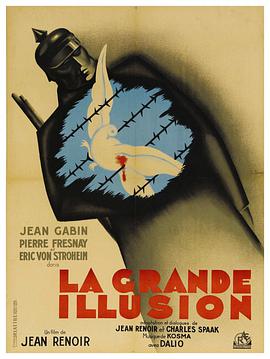 [!--pingfen--]DVD让·迦本,迪塔·帕尔洛,皮埃尔·弗雷奈,埃里克·冯·施特罗海姆,朱利安·卡莱特,乔治·佩克莱,让·达斯特,西尔万·伊特金恩,加斯东·莫多,马塞尔·达里奥,雅克·贝克,哈比卜·本利亚,卡尔·科赫,Claude Sainval,克洛德·韦尼耶影片以第一次世界大战为背景,讲述三名法国俘虏在德国集中营越狱的故事。 三名法国飞行员在一次任务执行中被德军击落,波迪奥、迈克和罗森塔尔三人被带到战俘集中营。波迪奥与德军监狱长罗芬斯坦都是贵族出身,有着共同的政治见解,二人在狱中成为朋友。三人随后发现狱友正进行越狱计划,他们挖出一条逃跑的通道。迈克和罗森塔尔也加入了挖掘行动。最后他们集体越狱,德军全力追捕,在逃亡中,波迪奥被罗芬斯坦击倒,两名法国俘虏迈克和罗森塔尔逃到一个德国农妇家中,在她的帮助下,二人经过种种波折逃到瑞士。 本片是最早的越狱片之一,被评为最伟大的“越狱电影”之一,同时也是导演让·雷诺阿的反战杰作。…
 [!--pingfen--]HD刘一莹电影《杜鹃花飞》取材于鄂豫皖大别山真实的革命斗争历史。故事讲述了1934至1937年红军主力北上,留守金刚台的红军妇女冒死救治伤员的感人故事。…
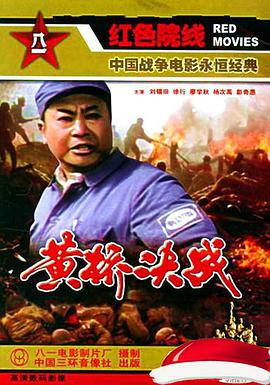 [!--pingfen--]HD刘锡田,郭平,马世祥,徐行,廖学秋,程安娜,丁继勇,马国静,曹秀山,杨次禹,彭奇愚,姜华,盛亚人,翟俊杰,江化霖,王辉抗日战争时期,江苏境内。为巩固抗日根据地,陈毅(刘锡田 饰)奉中央之命率新四军北上。蒋介石令江苏省主席韩德勤(杨次禹 饰)纠集数倍于我之敌,企图在苏北全歼新四军。纵队司令赵勇(徐行 饰)率部抵达泰州城外,急于排除异已的韩德勤命令守城的刘世仪(彭奇愚 饰)和刘玉坤(江化霖 饰)死守,目的是让新四军帮他消灭异己,将来好独霸江苏。陈毅看清了韩德勤的险恶用心,他下令停止攻城,决心单刀赴会,降服“二刘”。面对陈毅的大义凛然,“二刘”方知韩德勤借刀杀人之用心,为了共同抗日,他们决定对韩德勤阳奉阴违,给新四军让路。国民党警备司令林太远(姜华 饰)带兵围歼泰州城,不料做了新四军的俘虏......…
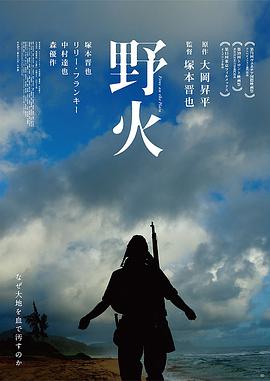 [!--pingfen--]HD冢本晋也,中川雅也,中村达也故事根据大冈升平的同名战争文学小说改编,以第2次世界大战末期为舞台,讲述了日本当年攻打菲律宾的战争故事。通过一个普通士兵的视角,展示了二战时菲律宾战场的残酷。…
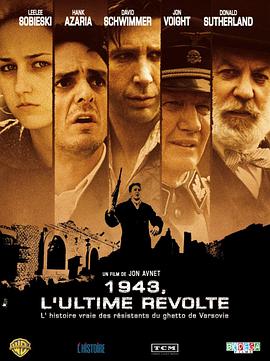 [!--pingfen--]HD拉达·米切尔,唐纳德·萨瑟兰,莉莉·索博斯基,汉克·阿扎利亚根据真实历史事件改编。1943年,在忍受了四年灭绝人性的摧残、杀戮之后,有血性的华沙犹太儿女终于揭竿而起,武装对抗德国纳粹的残暴统治……由于没走出犹太人隔离区,势单力薄兼武器短缺,起义终遭残酷镇压。其间一群支持并追随各自所爱男子为“捍卫犹太民族的荣誉”而战的犹太女子的勇敢、顽强尤其令人肃然起敬。二战犹太人题材电视电影经典片。美国导演乔恩·阿维奈(Jon Avnet)代表作。…
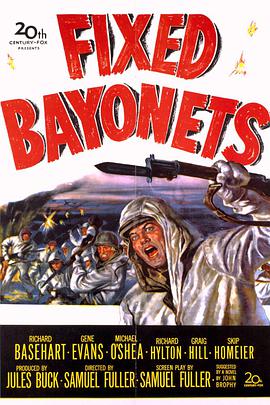 [!--pingfen--]DVD理查德·贝斯哈特,吉恩·埃文斯,迈克尔·奥谢伊,理查德·希尔顿,克雷格·希尔,斯基普·霍梅尔,Howard Banks,保罗·伯克,George Conrad,詹姆斯·迪恩The story of a platoon during the Korean War. One by one Corporal Denno's superiors are killed until it comes to the point where he must try to take command responsiblity.…
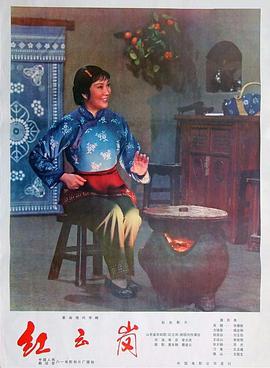 [!--pingfen--]HD张春秋,刘玉铭,原光,王信生,杨志刚一九四七年秋,国民党反动派垂死挣扎,重点进攻我山东解放区。我主力部队转移外线歼敌。解放军某部排长方铁军在狙击战中英勇负伤,追赶部队时,昏倒在山路上。地方党组织受部队委托,派人寻找未遇。敌人进入沂蒙山区后,为获取我军情报,命还乡团搜捕我伤员。 贫农出身的英嫂,上山挖菜,发现方铁军,用乳汁将他救醒,掩藏在红云岗,对他加以精心护理。英嫂和方铁军机智地与还乡团进行斗争,英嫂还说服胆小怕事的丈夫去东山送信。危机关头,村支书带领地方武装赶到,将还乡团全部歼灭。…
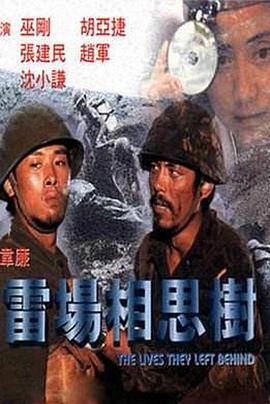 [!--pingfen--]HD巫刚,胡亚捷,张建民对越自卫反击战前夕,来自五湖四海的学员们集中在陆军学院,积极报名请战,奔赴中越前线。他们中有来自农学院的刘国政(赵军 饰),有医学院毕业的丛培民(沈晓谦 饰),还有中文系高材生邱原(胡亚捷 饰),他们和“唱歌王子”尹默涛(巫刚 饰)、季刚(张建民 饰)等共同分配到边防部队某团。除了邱原被留在团部指挥所,其他四人全部上了一线部队。战斗开始后,由于敌众我寡,我军伤亡惨重,不安心团部“观景”的邱原坚决要求去前沿阵地,首长同意了他的请求。刘国政在用身体排雷中不幸牺牲,尹默涛也触发拌雷殉国,而丛培民也失去了一条腿,悲痛欲绝的邱原决心为战友报仇,他甩开拽着他的季刚,冲上阵地...... 本片获第七届金鸡电影节特别奖。…
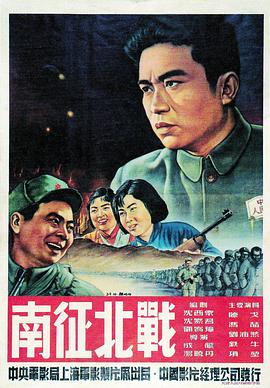 [!--pingfen--]HD陈戈,冯喆,汤化达,王力,张瑞芳1947年初,解放军华东部队在苏北七战七捷后,进行战略性转移,一营高营长(冯喆 饰)率领部队北撤,在山东桃村集结待命。不少战士和老乡都想不通,高营长和女村长赵玉敏(张瑞芳 饰)耐心给大家做工作。此时蒋军共出动25个师的兵力,企图造成南北夹击。我军在桃村大沙河阻击南线敌人六昼曰,主力部队集中到风凰山围歼北线的国民党李军长(阳华 饰)率领的七个师。高营长接到师长(陈戈 饰)命令抢占摩天岭高地,以阻击敌军张军长(项堃 饰)率领的增援部队,李军长率领的部队已被我军全歼并活捉李军长。高营长又率领部队乘胜追击张军长率领的部队,赵村长也带领游击队配合主力部队,切断敌人退路,又绞断敌人企图炸毁桥梁的炸药导火线,保住了大桥。一场大战开始了......…
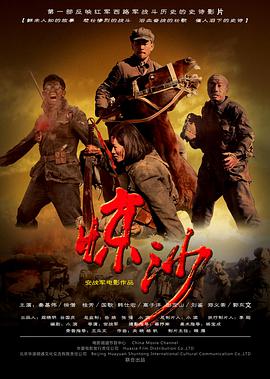 [!--pingfen--]HD徐僧,国歌,高子沣,刘鉴,郭东文1936年6月,红军长征胜利后,红四方面军主力奉中央军委命令西渡黄河作战,这就是赫赫有名的西路军。沿途敌兵疯狂围堵,连日不断,茫茫戈壁,天寒地冻。1937年1月,筚路蓝缕的西路军第五军、九军和三十军历经艰苦,攻占了高台、临泽等据点。而这次具有重要意义的胜利到来同时,也意味着最终的生死血战拉开大幕。时任国民党第二方区司令官兼青海省主席马步芳,是只手遮天、狡猾狠毒的一方霸主。他派出奇兵将临泽等地分隔包围。历经八昼夜拼杀,红军所在的高台失守,马步芳旋即对红军展开疯狂的围剿和血腥屠杀。 在此危亡时刻,秦基伟临危受命,带领着红军最后的数百人抵死突围………
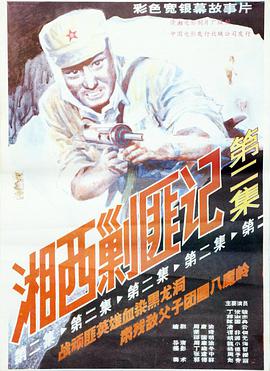 [!--pingfen--]HD丁汝俊,谭非翎,陈国典凤山一战,瞿匪受重创。瞿湘玉见大势已去,与盘歌寨的何文才会和。吴波化妆改扮,在史云哲侄儿的婚礼上将其活捉,经劝导,史云哲决定谈判。瞿湘玉为防有变以高官厚禄拉拢史云哲。吴波“单刀赴会”,争取史云哲。吴史二人来盘歌寨诈降被瞿湘玉识破。顿时硝烟四起。土匪把吴波妻子李桂芳和小虎押到悬崖。瞿湘玉借机逃跑之际,李桂芳抱住匪徒滚下悬崖。我军随即攻破盘歌寨。随后,我军搜到残匪老巢黑龙洞,全歼顽匪。…